

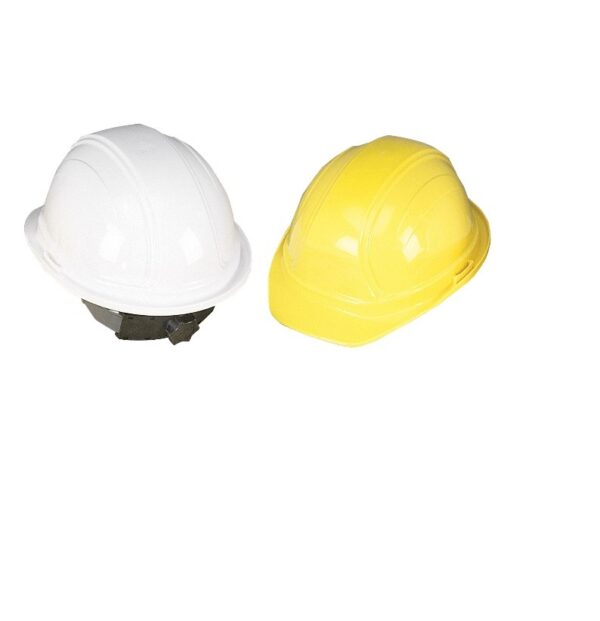
 Hard hats are essential for protecting one of the most important parts of the human body—your head. But did you know that not all hard hats are created equal? There are different types and classes of hard hats, each designed to address specific hazards. It’s important to make sure you’re using the right hard hat for the job.
To help with this, the American National Standards Institute (ANSI) has established safety standards under ANSI Z89.1, which define both types (impact protection) and classes (electrical protection).
ANSI Types of Hard Hats – Understanding the Difference
Hard hats are categorized into two main types, based on the area of the head they protect:
- Type I
Designed to reduce the force of impact from a blow only to the top of the head. This is the most common type in North America and is typically used in general industry. Type I hard hats may feature either a front-only brim (cap style) or a full brim. - Type II
Designed to reduce impact force from top and lateral (side, front, and back) blows. These are tested for off-center impact and penetration resistance, as well as chin strap retention. Type II hard hats are more common in high-risk environments like construction, but less prevalent in general industry.
ANSI Classes of Hard Hats
In addition to impact protection, hard hats are classified by the level of electrical protection they provide:
- Class E (Electrical):
Designed to withstand up to 20,000 volts of electrical shock. Ideal for electrical workers or environments with high-voltage exposure. - Class G (General):
Rated for protection against up to 2,200 volts. Suitable for general industry use where limited electrical exposure may occur. - Class C (Conductive):
No electrical protection. These hard hats prioritize ventilation or lightweight design but should not be used near electrical hazards.
Materials & Suspension Systems
Most modern hard hats are made from high-density polyethylene (HDPE) or other non-conductive materials. They include an internal suspension system designed to absorb and distribute impact.
Suspension options include:
- 4-, 6-, or 8-point suspensions, referring to the number of contact points with the shell.
- Pinlock adjustment, which requires removing the hat to adjust sizing.
- Ratchet adjustment, allowing quick and easy size changes while wearing the hard hat.
Hard Hat Styles
There are two common styles of hard hats, designed for different job site needs and preferences:
- Cap Style:
Features a short front brim to shield the eyes from sunlight or rain. Some models allow reverse wear to position the brim over the neck. - Full Brim Style:
Includes a brim that wraps around the entire helmet, offering added protection from sun, rain, and debris for the face, neck, and ears.
Not all hard hats are alike. Make sure yours is both the right type and class for the hazards in your work environment. Whether you’re dealing with falling objects, lateral impact risks, or electrical hazards, using the correct hard hat can make all the difference in safety and compliance.
